
Binance Futures has rapidly become one of the most prominent derivatives trading platforms in the cryptocurrency space. For many active traders, the question is not just whether the exchange is legitimate, but specifically how it performs across key metrics like liquidity, leverage options, and user safety. This analysis explores the core aspects that define the Binance Futures experience.
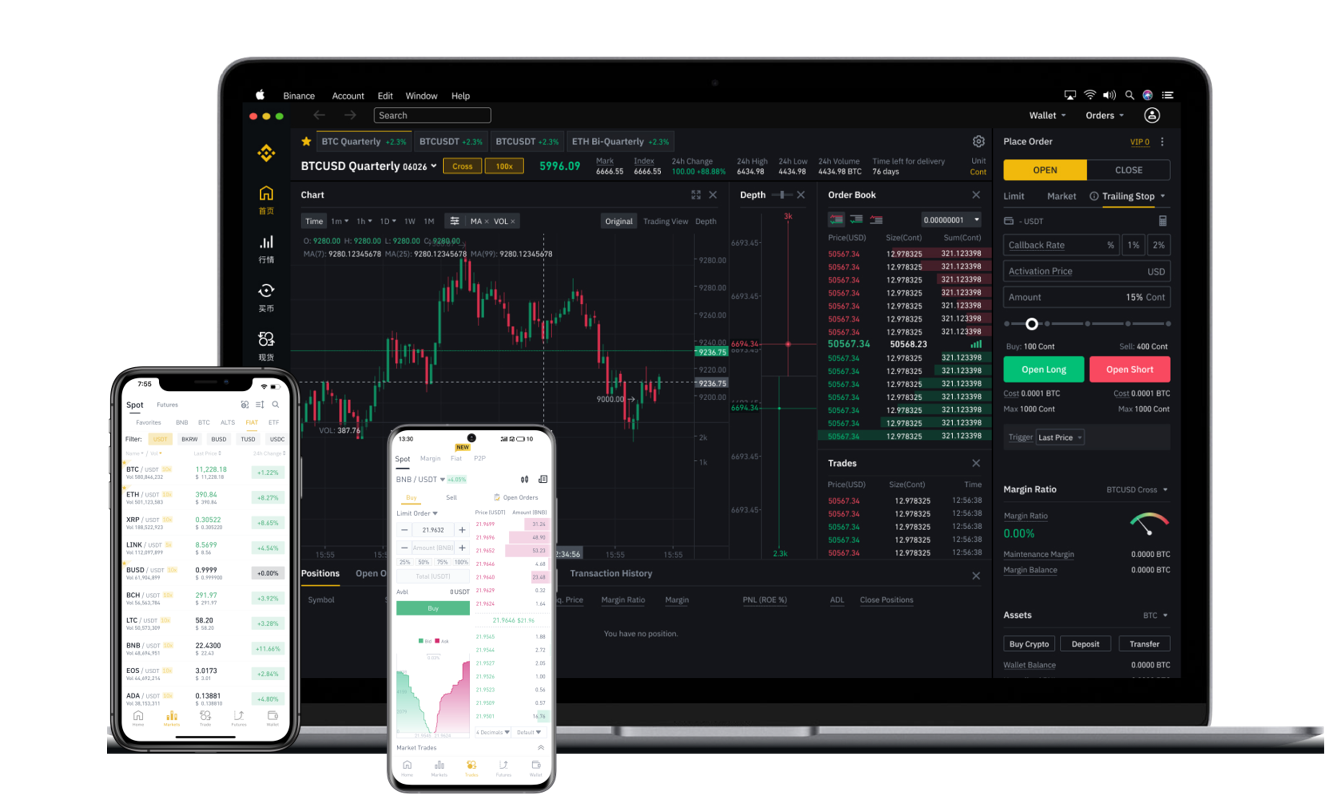
At its foundation, Binance Futures operates as a separate trading interface from the standard spot market. Users access it through a dedicated tab on the platform. The exchange offers both USDⓈ-M (settled in stablecoins like USDT and BUSD) and COIN-M (settled in the underlying cryptocurrency, such as BTC) futures contracts. This dual structure caters to different risk appetites: traders seeking stable P&L calculations often prefer USDⓈ-M, while those looking to accumulate specific coins might use COIN-M.
One of the most discussed features is the leverage offering. Binance Futures provides a wide range of leverage options, from 1x up to a maximum of 125x on certain high-liquidity trading pairs. While high leverage is a tool for sophisticated users, it inherently carries significant risk. The platform employs a "maximum leverage" filter that adjusts based on your position size and account level—meaning the higher your nominal exposure, the less leverage you are allowed to use. This risk control mechanism prevents catastrophic liquidation events on large positions.
Liquidity is a critical factor for any futures market. Binance Futures consistently ranks near the top globally for open interest and trading volume. This deep order book liquidity generally results in minimal slippage for most retail orders, allowing traders to enter and exit positions near their expected prices. However, during extreme market volatility—such as a sudden crash or pump—even Binance can experience temporary spreads. The platform also uses a "mark price" system rather than the last traded price to calculate unrealized P&L and liquidation triggers. This design prevents manipulative "squeeze" attempts on large holders, as liquidations are based on a fair price index derived from several major spot exchanges.
Security and regulatory compliance have become increasingly important. Binance has faced regulatory scrutiny in multiple jurisdictions. For traders, this means remaining aware of their local laws. The exchange itself employs robust security measures, including the SAFU (Secure Asset Fund for Users) insurance fund, which covers losses in extreme cases of platform breaches. Additionally, the use of Two-Factor Authentication (2FA) and withdrawal whitelist features is strongly encouraged to protect individual accounts.
The fee structure is another competitive advantage. Binance Futures uses a tiered maker-taker model. "Maker" orders (which add liquidity to the order book) typically incur very low fees—often around 0.02% or lower for high-volume traders. "Taker" orders (which remove liquidity) are slightly higher, usually around 0.04%. Using the native BNB token to pay for trading fees provides an additional discount, making it cost-effective for frequent traders.
Furthermore, Binance Futures provides extensive educational resources via Binance Academy, alongside demo trading features. The testnet functionality allows new traders to practice strategies with virtual funds, which is essential before committing real capital to a leveraged environment. The platform also offers advanced order types: Stop-Limit, Trailing Stop, and Post-Only orders help traders automate risk management.
In conclusion, Binance Futures is widely considered a powerful tool for experienced cryptocurrency traders. It succeeds due to its deep liquidity, flexible leverage options, and competitive fee schedule. However, it is not designed for complete beginners who are unfamiliar with concepts like maintenance margin or liquidation. The exchange demands a solid understanding of risk management. For those who approach it with a strategy and respect for market dynamics, it remains a top-tier destination for futures trading. For casual investors, the standard spot market is often the safer starting point.