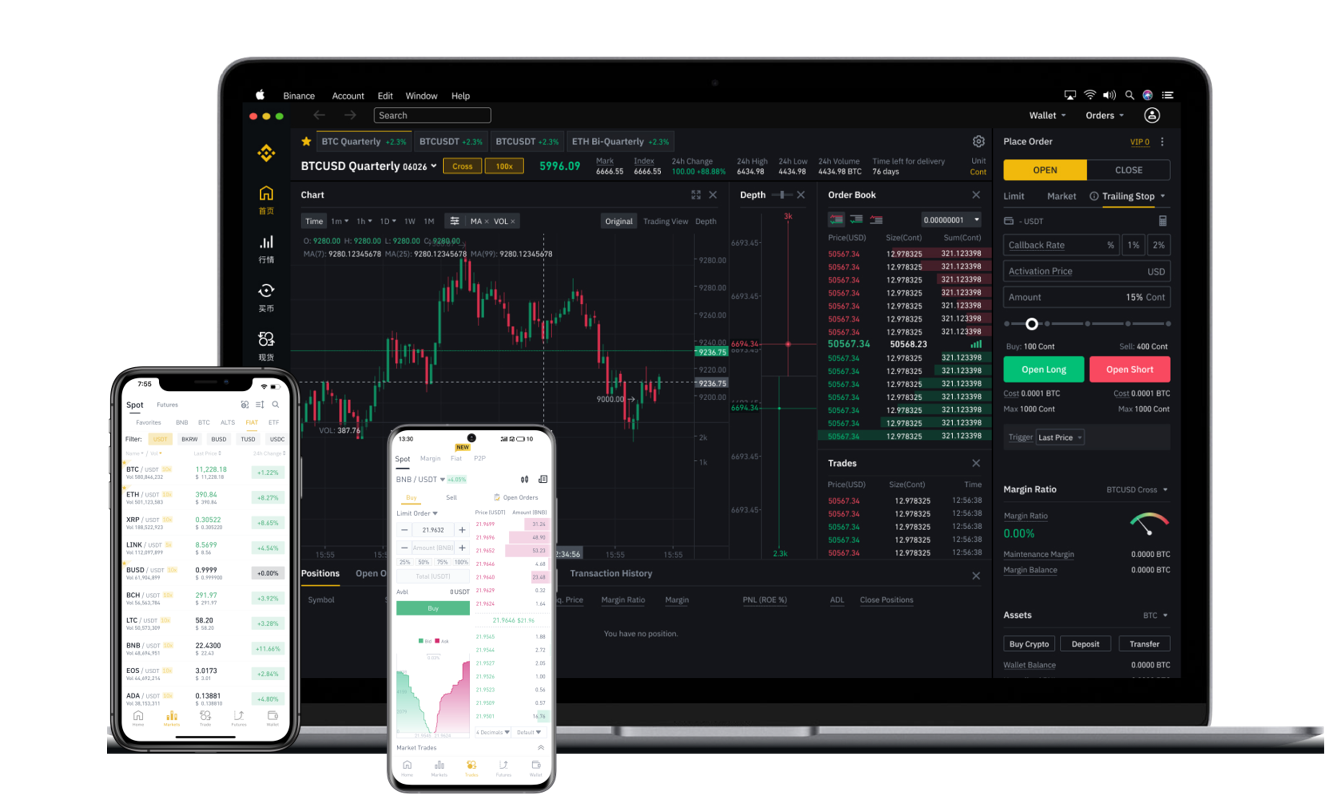

Binance, founded in 2017 by Changpeng Zhao, quickly became the world’s largest cryptocurrency exchange by trading volume. However, its relationship with the Chinese market has been complex and dynamic. For users in China, the question "How does Binance work in China today?" requires a clear understanding of regulatory shifts, access methods, and risk awareness.
First, it is critical to recognize the official stance. In 2021, the People's Bank of China (PBOC) reiterated that all cryptocurrency trading and related services are illegal within the mainland. This directive forced Binance to cease offering direct services to users located in China. The official Binance website and app are not accessible via China's domestic internet without additional tools. Consequently, Chinese citizens who continue to trade on Binance are doing so through virtual private networks (VPNs) and non-Chinese app stores, which carries legal and technical risks.
Despite the prohibition, a significant number of Chinese traders remain active on the platform. Binance has adapted by maintaining a separate global entity, Binance.com, which is blocked in China, while also introducing restricted access for IP addresses from the mainland. Users often report that while the website loads with a geo-block, the international app (downloaded via overseas Apple ID or Android APKs) can still function intermittently. However, this workaround is not officially endorsed by Binance, and the exchange frequently updates its compliance protocols to limit mainland access.
From a functional perspective, Chinese users face several limitations. Deposit and withdrawal channels that use Chinese yuan (CNY) directly, such as bank transfers or Alipay/WeChat Pay peer-to-peer trades, have been heavily restricted. While some over-the-counter (OTC) traders still operate using private messaging groups, the risk of frozen bank accounts or fraud has increased substantially. Binance itself has delisted the CNY trading pairs and advises users to use stablecoins like USDT for transactions.
Another important factor is the presence of Binance's ecosystem outside of China. The company has moved its headquarters and key operations to jurisdictions like the Cayman Islands, Malta, and more recently Dubai. This geographic shift means that legal protections for Chinese users are minimal. If a dispute arises, Chinese users cannot rely on local Chinese courts for recourse against Binance’s international entity.
The sentiment among Chinese crypto communities is mixed. Many veteran investors still use Binance for its deep liquidity and wide range of altcoins. Newer users, however, are increasingly turning to decentralized exchanges (DEXs) or offshore platforms that do not require KYC (Know Your Customer) verification, due to the fear of data leakage or government surveillance. Yet, Binance remains a preferred choice for its futures and margin trading features, which are hard to match on smaller exchanges.
Finally, security is a major concern. Chinese users accessing Binance through VPNs are vulnerable to IP leaks and phishing attacks. The exchange has also faced scrutiny for its customer support responsiveness in Chinese. While Binance offers a Chinese-language interface and Chinese-speaking support agents, response times can be long, and verification processes for account recovery are more stringent for users with mainland IDs.
In conclusion, Binance's operation in China is effectively a grey-area activity. It remains accessible through technical workarounds, but users face legal risks, payment restrictions, and reduced support. For anyone in China considering using Binance, it is essential to stay updated on the latest PBOC announcements and to use strong security practices such as two-factor authentication and hardware wallets. The exchange itself continues to navigate a cautious path, complying with international sanctions while retaining a fragmented user base in China through unofficial channels.