
Binance is currently one of the most influential cryptocurrency exchanges in the world, attracting millions of users with its extensive asset coverage and diverse trading tools. If you are wondering how the Binance exchange model works, the answer goes far beyond simply "buying low and selling high." Whether you are a beginner or an experienced trader, understanding Binance's core gameplay is essential for optimizing your investment strategy.
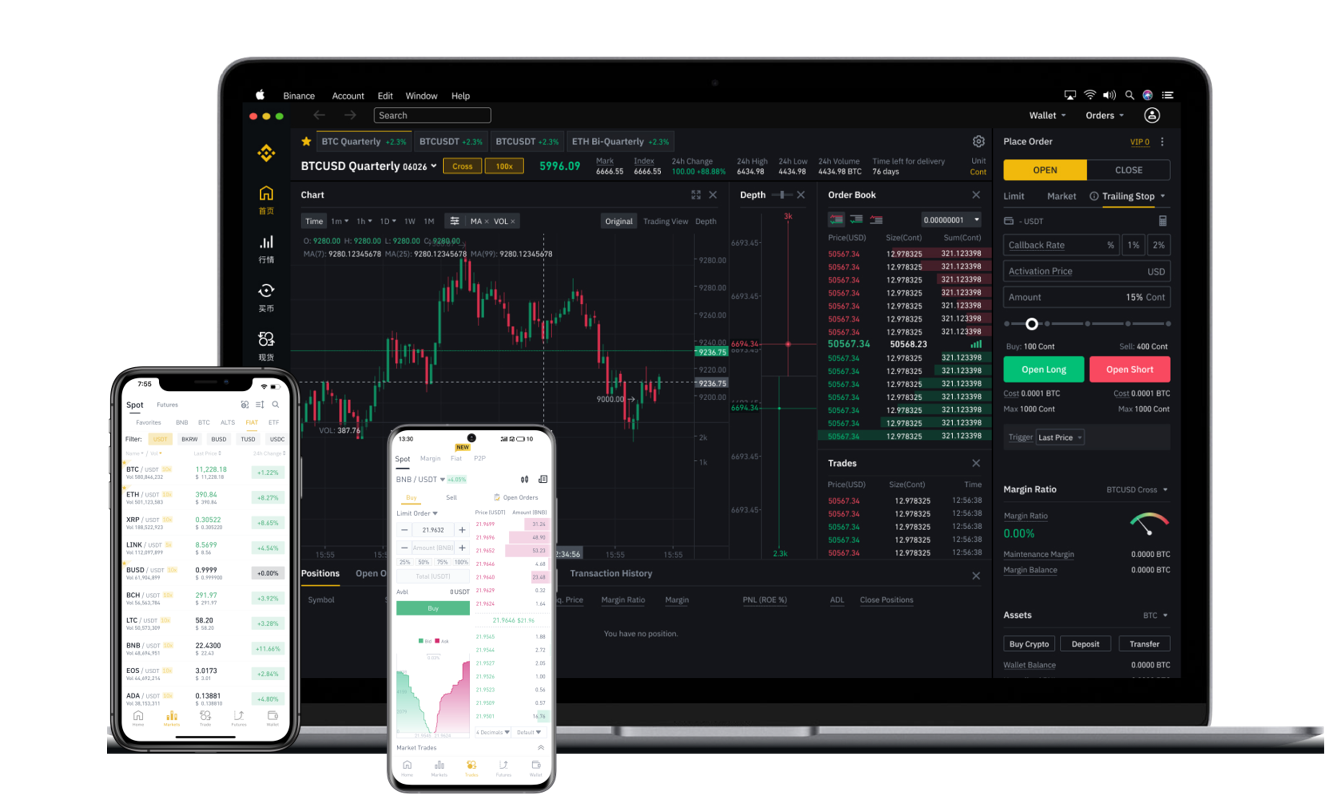
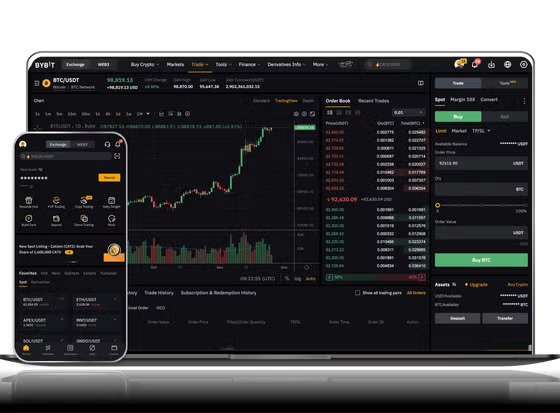
First, spot trading is the most direct way to play on Binance. Users can select from hundreds of trading pairs—such as BTC/USDT or ETH/BUSD—to execute real-time purchases and sales. The platform offers a robust order book system, supporting limit orders, market orders, and stop-limit orders. This allows users to set entry prices in advance without constantly monitoring the market, effectively reducing emotional trading errors.
Second, Binance’s futures and margin trading provides leveraged gameplay for advanced users. By using 2x to 125x leverage, traders can amplify their profits, but this also comes with a significant increase in risk. It is highly recommended that beginners start with the isolated margin mode to limit potential losses to a single position. Additionally, Binance offers "Perpetual Futures" which track the underlying spot price index, and "Delivery Futures" with fixed expiration dates, giving users flexibility to bet on price direction or hedge existing holdings.
Beyond basic trading, Binance has built a comprehensive passive investment system. Through the "Binance Earn" section, users can participate in savings accounts, staking, and liquidity farming. For example, fixed-term staking allows users to lock up specific tokens, such as ETH or BNB, to receive annualized yields that often outperform traditional savings accounts. The "Double Investment" product enables users to set target prices for buying or selling, earning high interest rates while waiting for market triggers.
Another highly popular gameplay is the Binance Launchpad and Launchpool. These programs allow users to stake BNB or other stablecoins to receive allocations of newly issued tokens. This is often referred to as an "initial exchange offering" (IEO). Early participants may benefit significantly if the new project gains market traction. However, investors must carefully research each project, as not all offerings guarantee positive returns.
For those seeking higher-frequency trading, Binance also supports trading bots and copy trading features. Users can follow top traders and automatically copy their strategies, which is particularly useful for those who lack technical analysis skills. The grid trading bot, for instance, automatically places buy and sell orders within a preset price range, capturing small profits from market volatility.
Finally, the Binance ecosystem is deeply integrated with the BNB token. Holding BNB provides significant utility: reduced trading fees, priority participation in Launchpool, and usage as collateral for loans. This "exchange coin" model creates a self-reinforcing cycle where increased platform activity drives BNB demand, which in turn incentivizes more users to appreciate BNB.
In summary, the Binance exchange offers a complete ecosystem ranging from simple spot trading to complex derivatives, and from active speculation to passive income generation. However, regardless of the specific game you choose, risk management remains the top priority. Always set stop-loss orders, avoid over-leveraging, and never invest more than you can afford to lose. Understanding the rules of each product and gradually building your personalized trading plan is the real key to success on Binance.